
Mastering Essential Steel Home Maintenance to Avoid Costly Mistakes
Implementing a specialized steel home maintenance routine is critical to preserving your property’s longevity and structural integrity. Many homeowners inadvertently overlook these essential upkeep tasks, which frequently results in expensive repairs and a sudden drop in property value. This guide highlights the most common care mistakes to avoid while detailing practical rust-prevention measures, expert cleaning techniques, and proper inspection practices. We also cover durable protective coatings, effective repair methods, and crucial regional weather considerations for Central Texas and the Hill Country, ensuring you have a foolproof plan to protect your investment.
Common Mistakes in Steel Home Maintenance
Steel homes are durable, but neglecting regular maintenance can produce significant problems. The following are common mistakes homeowners often make:
- Neglecting Regular Inspections: Failing to conduct routine inspections can allow minor issues to escalate into major problems. Regular checks can help identify rust, corrosion, or structural weaknesses early on.
- Ignoring Rust Issues: Rust can develop quickly on steel surfaces if not addressed promptly. Many homeowners underestimate the importance of immediate action when rust is spotted.
- Improper Cleaning Methods: Using harsh chemicals or abrasive tools can damage the protective coatings on steel homes. It’s crucial to use appropriate cleaning methods to maintain the integrity of the material.
Avoiding these errors extends the service life of a steel home and reduces repair costs. Proper maintenance is essential, and companies like Suburban Buildings specialize in custom steel building solutions tailored for property owners to help keep your home in top condition.
Rust Prevention Techniques for Steel Homes

Rust prevention is essential to maintain a steel home’s structural integrity. Effective methods include:
- Regular Inspections: Conducting inspections at least twice a year can help catch rust before it spreads. Look for signs of corrosion, especially in areas prone to moisture accumulation.
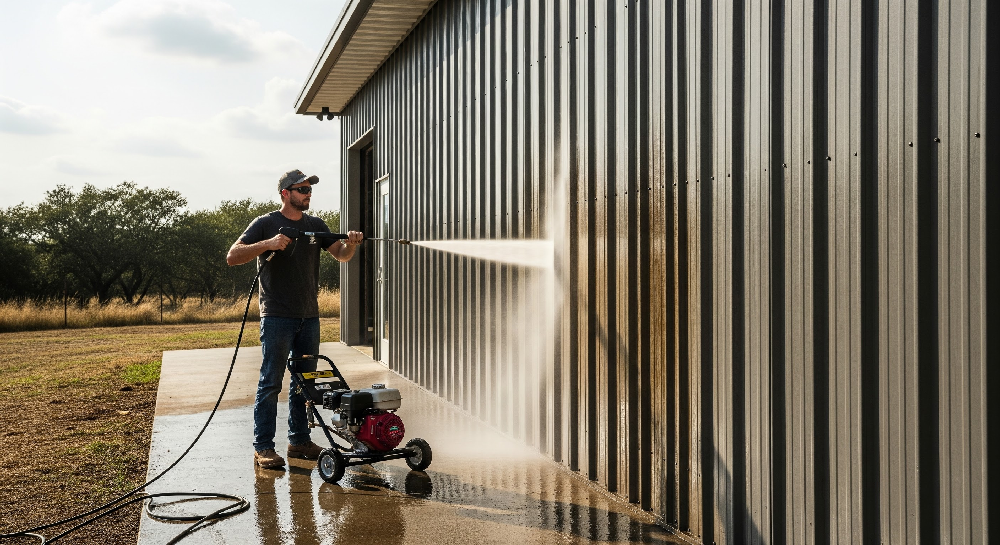
- Proper Cleaning: Use mild detergents and soft brushes to clean steel surfaces. Avoid abrasive materials that can scratch the protective coating, making the steel more susceptible to rust.
- Applying Protective Coatings: Coatings such as galvanization or powder coating can provide a barrier against moisture and environmental elements. These coatings should be reapplied as needed to ensure ongoing protection.
Implementing these techniques reduces the risk of rust and prolongs the life of the structure. For those seeking high-quality protective coatings, Suburban Buildings offers tailored solutions that improve durability and appearance.
Protective Coatings and Weatherproofing
Protective coatings play a vital role in safeguarding steel structures from environmental damage. Here are some common types of coatings:
| Coating Type | Description | Benefits |
|---|---|---|
| Galvanized Coatings | Zinc coating applied to steel | Excellent rust resistance |
| Powder-Coated Finishes | Durable finish applied electrostatically | Enhanced aesthetic and protection |
| High-Gauge Steel Roofing | Thick steel roofing material | Superior weather resistance |
These coatings protect against rust and improve a home’s appearance. Regular maintenance of coatings is necessary to maintain their effectiveness over time.
Cleaning and Inspection Best Practices

Regular cleaning and scheduled inspections are critical to a steel home’s longevity. Here are recommended best practices:
- Use of Mild Detergents: When cleaning, opt for mild detergents that won’t damage the protective coatings. Avoid bleach or harsh chemicals that can lead to corrosion.
- Regular Cleaning Schedules: Establish a cleaning routine, ideally every few months, to prevent dirt and grime buildup. This will help maintain the appearance and integrity of the steel.
- Professional Inspections: Consider hiring professionals for thorough inspections at least once a year. They can identify potential issues that may not be visible to the untrained eye.
Following these practices keeps a steel home in sound condition and reduces the likelihood of costly repairs.
Repairing Common Steel Home Damages
Addressing damages promptly is essential for maintaining the integrity of steel homes. Here are some common repair strategies:
- Inspect for Rust and Corrosion: Regularly check for signs of rust or corrosion, especially in areas exposed to moisture. Early detection is key to preventing further damage.
- Clean Properly: Use appropriate cleaning methods to remove rust. Sanding or using rust inhibitors can help restore the surface.
- Apply Protective Coatings: After repairs, ensure that protective coatings are reapplied to prevent future rust development.
These approaches help manage common issues and keep steel homes safe and structurally sound.
Regional Considerations for Central Texas and Hill Country
The climate in Central Texas and the Hill Country presents unique challenges for steel home maintenance. Here are some considerations:
- Climate Resilience of Steel: Steel is inherently resistant to many environmental factors, but it can still be affected by humidity and temperature fluctuations. Regular maintenance is essential to combat these effects.
- Low Maintenance Needs: Compared to traditional building materials, steel homes require less maintenance. However, proactive care is still necessary to prevent rust and other issues.
- Fire Safety Benefits: Steel is non-combustible, providing an added layer of safety in fire-prone areas. This characteristic makes steel homes a popular choice in regions with high fire risk.
Recognizing these regional factors enables homeowners to tailor maintenance plans so their steel homes withstand local conditions.
Frequently Asked Questions
What are the signs that my steel home needs maintenance?
Visible rust spots, peeling or damaged protective coatings, and structural issues such as cracks or warping indicate maintenance is needed. Water pooling near the foundation or in moisture‑prone areas also warrants inspection. Regular checks for these signs allow early intervention and prevent more extensive, costly repairs.
How often should I perform maintenance on my steel home?
Perform maintenance at least twice a year, including thorough inspections for rust, corrosion, and structural integrity. Maintain a cleaning schedule every few months to preserve protective coatings. For a comprehensive assessment, arrange a professional inspection annually to identify issues that may not be visible to an untrained eye.
Can I use regular household cleaners on my steel home?
Use mild detergents formulated for steel surfaces and soft brushes. Avoid bleach and abrasive cleaners that can damage protective coatings and promote corrosion. Gentle cleaning methods preserve the material’s integrity.
What should I do if I find rust on my steel home?
If you find rust, address it promptly. Start by removing loose rust with a soft brush and mild detergent. For more severe corrosion, sand the area or apply a rust inhibitor. After treatment, reapply appropriate protective coatings to prevent recurrence. Regular inspections help detect rust early and limit repair work.
Are there specific coatings recommended for steel homes in humid climates?
In humid climates, choose coatings with strong moisture resistance, such as galvanized finishes or high‑quality powder coatings. These coatings create a barrier against rust and corrosion. Inspect and maintain coatings regularly to ensure long‑term protection and preserve structural integrity.
How do I choose a professional for steel home inspections?
When choosing a professional for steel home inspections, select contractors with demonstrated experience in steel construction and maintenance. Verify credentials, reviews, and references. Prefer inspectors familiar with local climate challenges so they can identify likely issues. A thorough inspection should provide a detailed condition report and maintenance recommendations.
What are the long-term benefits of maintaining a steel home?
Regular maintenance delivers long‑term benefits: improved durability, higher property value, and lower repair costs. Well‑maintained steel homes are more energy‑efficient and better able to withstand environmental stresses. Investing in proper care preserves the longevity and resilience of the structure.
In Conclusion, avoiding maintenance mistakes and applying proven rust‑prevention measures will extend the life and value of a steel home. Regular inspections and correct cleaning sustain structural integrity. For tailored solutions and expert guidance, consult professionals who specialize in steel home care. Use available resources to protect and maintain your investment.