Central Texas Permitting for Steel Buildings is a core process before the actual construction can start. Central Texas building permits require zoning approval, engineered drawings, and site surveys before steel building installation begins. Suburban Buildings guides landowners in San Antonio and surrounding counties through these local requirements. Site preparation demands a level, compacted foundation pad, cleared access routes, and proper drainage grading. Completing these steps beforehand ensures the assembly crew installs the structure quickly and correctly, avoiding costly delays.
Streamlining Your Central Texas Steel Building Project
Suburban Buildings’ over 50 years of combined experience streamlines Central Texas permitting processes for custom steel structures.
Proper site preparation eliminates costly delays and ensures quick, efficient steel building installation across the Hill Country.
Custom metal buildings deliver versatile, affordable solutions without exorbitant costs or extended design-to-installation timelines.
Contact Suburban Buildings Monday-Friday, 8:30 am-4:30 pm at info@suburbanbuildings.com for Boerne, San Antonio, and Austin projects.
Why Does Permitting Trip Up Steel Building Projects?
Permitting problems usually start with mismatched paperwork, not construction delays. County and city offices across Central Texas often require different documentation depending on lot size, zoning, and intended use. A building designed for one jurisdiction rarely transfers cleanly to another without adjustments. Custom steel structures can be shaped to fit almost any specification, from a small ranch equipment shelter near Boerne to a full commercial warehouse in San Antonio. That flexibility helps, but it also means each permit office may ask for different engineering details specific to the design chosen.
Short lead times and affordable pricing make steel construction attractive across the region. Those advantages only hold when permitting stays on schedule. A stalled application erases the time savings steel offers over traditional builders.
What Causes the Most Permit Delays?
Missing site plans, incomplete wind-load calculations, and unclear property surveys account for the bulk of holdups in Central Texas counties. Property owners who submit incomplete packets often wait weeks longer than necessary.
Who Handles Permitting for Property Owners?
Suburban Buildings serves property owners in Boerne, San Antonio, and Austin, bringing over 50 years of combined experience to local building projects. That regional familiarity helps clients avoid common paperwork missteps before they cause delays.

What Local Permits Do Central Texas Projects Need?
Permit requirements vary by county and municipality. Most Central Texas metal building projects require a building permit, a zoning review, and sometimes a floodplain or setback determination. Requirements depend on lot size, intended use, and whether the structure sits inside city limits or unincorporated county land. Ranchers building an equipment barn on rural acreage often face fewer restrictions than a commercial property owner constructing a warehouse near a growing suburb.
Suburban Buildings specializes in providing Texas steel construction services, and that includes guidance through these local requirements. Permit considerations are a standard part of planning a metal building project, alongside financing choices and provider comparisons. Skipping this step risks fines, forced modifications, or a stalled project timeline.
Does location affect which permits apply?
Yes. A homeowner near Austin faces different zoning rules than a rancher outside Kerrville. A commercial property owner exploring steel buildings in San Antonio encounters municipal codes distinct from county requirements. Local building departments determine setback distances, height limits, and utility connection rules.
Who can help interpret county-specific rules?
Working with a builder familiar with regional jurisdictions saves time and reduces costly errors. Suburban Buildings is located in Boerne, Texas, placing the company close to the very jurisdictions many of these projects fall under.
Typical permit steps include:
Confirming zoning classification for the property
Submitting building plans for engineering review
Verifying setback and easement compliance
Scheduling required inspections during construction
Having a professional builder with a solid reputation helping with permit applications, engineering drawings, and inspection documents keeps the approval process organized and traceable from start to finish.
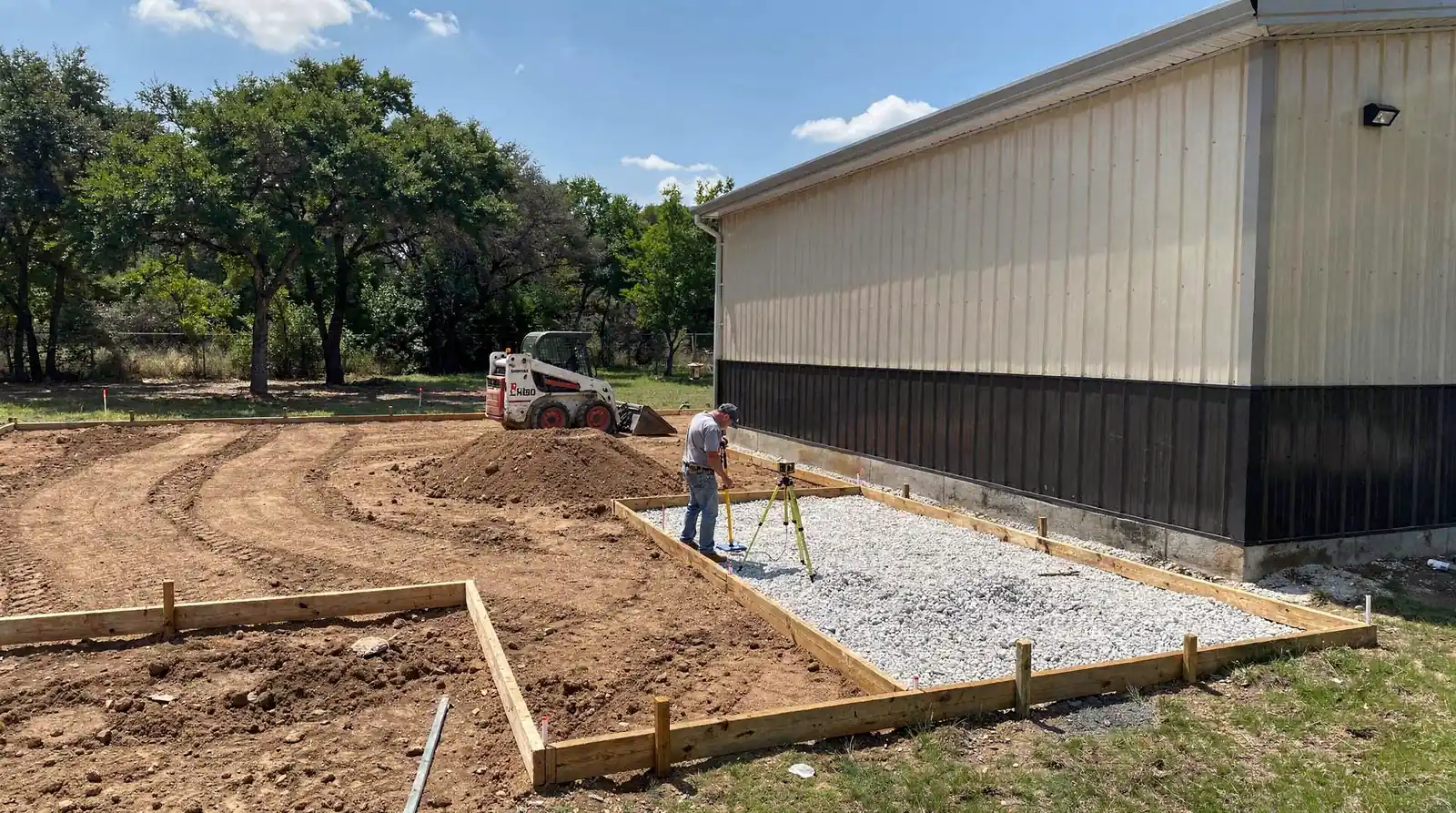
How Should You Prepare Your Site Before Construction?
Proper site preparation follows a defined set of straightforward steps, and completing them correctly sets the stage for a fast, trouble-free installation. Landowners across Central Texas — from ranch properties near Fredericksburg to suburban lots outside of San Antonio — benefit from knowing exactly what a construction crew expects before arriving on site. Skipping or rushing these steps causes delays, added costs, and scheduling headaches that could otherwise be avoided.
Central Texas terrain varies widely, from rocky Hill Country slopes to blackland prairie soil, and site conditions affect how much prep work a property needs. Property owners planning steel buildings San Antonio residents rely on for barns, garages, and workshops should account for local soil type, slope, and drainage patterns before scheduling installation. A structure built on unprepared or uneven ground risks settling issues down the road.
Who Is Responsible for Site Prep Work?
Completing site preparation falls to the property owner, not the installation crew. This distinction matters: crews arrive expecting a ready site, and delays caused by incomplete prep work become the customer’s responsibility to resolve. Clear communication about scope and timeline avoids confusion on installation day.
What Steps Does Site Prep Typically Involve?
Site prep generally covers a short list of manageable tasks:
Clearing vegetation, debris, and obstructions from the build area
Leveling and grading the ground for a stable foundation
Confirming adequate drainage away from the structure
Marking utility lines and access points for the crew
Each item is simple on its own, but skipping even one creates installation delays. Consistent brand identification across every project phase helps Central Texas property owners know exactly what to expect, whether they’re building a barndominium in the Hill Country or a commercial shop near a growing suburban corridor. Suburban Buildings serves communities throughout Central Texas Hill Country, bringing familiarity with the region’s varied ground conditions to every project it takes on.
What Makes Hill Country Terrain Different For Builders?
Rugged slopes, shifting soil, and unpredictable weather set the Texas Hill Country apart from flatter regions of the state. Landowners near Kerrville and across the Hill Country corridor deal with rolling elevation changes, exposed limestone, and rapid temperature swings that most suburban-land contractors never encounter. Structures built here need strength, flexibility, and longevity baked into the design from day one, not added as an afterthought.
Kerrville itself sits at the heart of this terrain, prized for its scenic views and peaceful, rural pace of life. That same rugged landscape, though, demands more from a building’s foundation and frame than a typical suburban lot would.
How does sloped land affect steel building placement?
Sloped sites change how a foundation gets engineered, how water drains away from the structure, and where equipment can safely maneuver during construction. Builders account for grading, retaining walls, and pad leveling before a single post goes into the ground. Skipping this step risks uneven settling and long-term structural stress.
Why does rural Hill Country land suit custom builds?
Large parcels, river access, and open acreage make the region ideal for barndominiums, workshops, and storage buildings that serve both function and lifestyle. Custom structures here add real property value, not just square footage. Owners gain flexible space without sacrificing the character of the land.
Key terrain factors that shape planning decisions include:
Elevation changes requiring custom grading and pad work
Exposed rock and thin topsoil affecting foundation depth
Seasonal storms demanding wind- and hail-resistant materials
Limited road access on remote acreage affecting delivery logistics
Durability and energy efficiency remain the payoff, delivering long-term benefits for owners who build correctly the first time. Consistent brand identification across every project phase gives Hill Country clients confidence that the same standards apply from site visit to final walkthrough.
How Do You Choose The Right Builder?
Selecting the right builder starts with checking track record, communication, and design flexibility. Central Texas landowners and ranchers face real stakes here: a poor builder choice means costly delays, mismatched permits, or a structure that fails to meet local code. Reputation matters as much as price, and reviews from actual clients reveal far more than a glossy brochure ever will.
Post-frame construction stands out among Central Texas property owners for one reason: adaptability. This building style offers remarkable design flexibility, letting ranch owners and business operators reconfigure interior spaces for agricultural storage one year and retail or office use the next. That flexibility separates a builder worth hiring from one offering only a single rigid layout.
Suburban Buildings has earned a 4.9-star rating based on 9 Google reviews from clients across Central Texas, a track record property owners can verify before signing a contract. That rating reflects consistent brand identification across every project, from Hill Country barndominiums to commercial post-frame structures. Property owners exploring steel buildings in Central Texas should weigh reputation alongside design flexibility and dependable permitting support.
What Should A Property Owner Ask Before Hiring?
Ask about local permitting experience, site prep requirements, and design flexibility before signing anything. A builder unfamiliar with county-specific rules across Central Texas creates delays that cost ranchers and homeowners both time and money.
Central Texas Permitting for Steel Buildings
FAQ
What causes the most delays in Central Texas steel building permits?
Missing site plans, incomplete wind-load calculations, and unclear property surveys account for most holdups. Property owners who submit incomplete packets often wait weeks longer than necessary to gain approval.
What steps does site preparation involve before installation?
Site preparation requires a level, compacted foundation pad, cleared access routes, and proper drainage grading. Completing these steps beforehand ensures the assembly crew installs the structure quickly and correctly.
Who guides Central Texas landowners through permitting requirements?
Suburban Buildings, based in Boerne, Texas, guides landowners through zoning approval, engineered drawings, and site surveys. Their 50+ years of combined experience helps clients in Boerne, San Antonio, and Austin avoid paperwork missteps.
Wrapping it Up:
In closing, navigating Central Texas permitting and site preparation requires expertise grounded in local regulations and practical construction knowledge. Suburban Buildings brings over 50 years of combined experience to streamline this process, ensuring your custom steel building project meets all requirements while staying on schedule. Whether your vision spans the Hill Country or greater San Antonio. Austin areas, our team handles the complexities so you can focus on your project’s success. Proper preparation today delivers reliable, durable structures for years to come.
Property owners can call 830-223-2232 or email info@suburbanbuildings.com directly with permitting or site prep questions. Suburban Buildings keeps regular hours, open Monday through Friday from 8:30 am to 4:30 pm, making it easy for busy ranchers and business owners to schedule a consultation without disrupting their workday.